
UAE
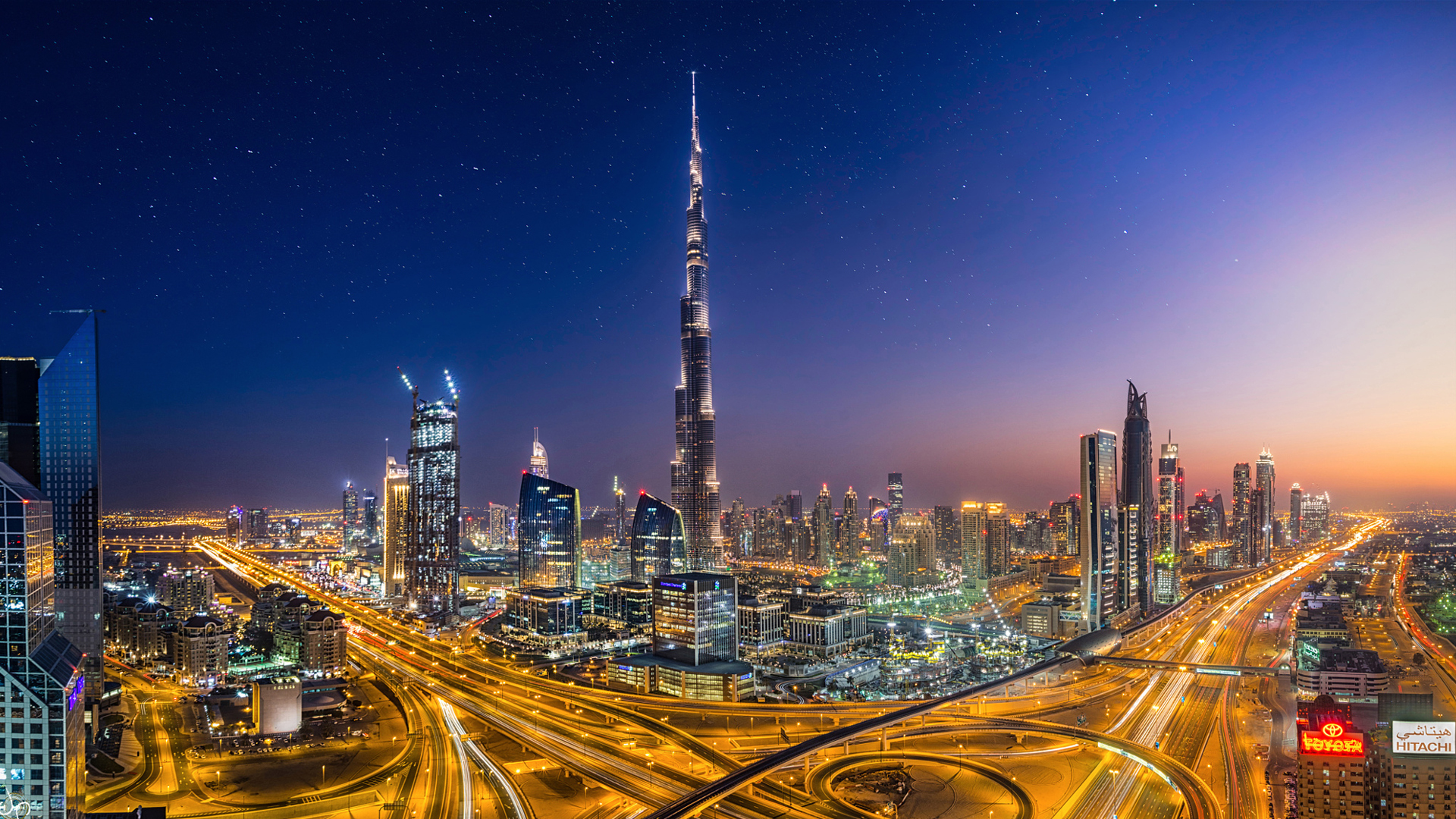
The UAE boasts exceptional infrastructure designed to facilitate tourism. This includes world-class transportation networks, luxury hotels catering to all budgets, state-of-the-art amenities, and excellent connectivity, The UAE’s strategic location in the Middle East makes it a convenient stopover for travelers connecting between Europe, Asia, and Africa. Its well-connected airports, such as Dubai International Airport, facilitate easy travel. making getting around and exploring the country seamless.
Cultural Tours
With such an interesting history and so much influence from neighboring Asian countries and colonial rulers, you can expect much diversity in Malaysia – from architecture and religion to ethnicity of the country’s people. No wonder, tourism contributes more than 7% to the economy and the country is ranked 9th in all the world for tourist arrivals! With your expert local guides on hand, tailor your trip specifically to match your interests.
The people of Malaysia are a mosaic of Chinese, Indian and native Malay influence. The Malays make up the largest ethnic group, and tend to practice both Islamic and Malay traditions, and speak in the native Malay language. The Malaysian Chinese make up about 25% of the population, with three main dialects of Chinese languages being spoken: Hokkien, Cantonese and Mandarin speakers. The Malaysian Indians – who make up 10%, tend to be descendants of Tamil-speaking South Indians who were brought in under British colonial rule.
The traditional Malay people speak Bahasa Malaysia, which has its roots in an Austronesian language. The indigenous people of Malay, known as the Orang Asli or original people, are found in the Peninsular region and have several different groups with their own language and cultural traditions. The largest ethnic groups tend to live in Sabah, including the Kadazan Dusuns, who are typically farmers in hilly regions; Bajaus, a seafaring community; and the Murut, who also make their living from hunting, fishing and cultivation.
In Sarawak, you can find major ethnic groups known as Dayaks, the Iban, Bidayuh and Orang Ulu. Meanwhile, the Penang people are traditional nomadic people who move around the rainforest.
Tourism can be domestic or international, and international tourism has both incoming and outgoing implications on a country’s balance of payments. Today, tourism is a major source of income for many countries, and affects the economy of both the source and host countries, in some cases being of vital importance.


Desert Safari
The desert safari provides about 20 minutes of exciting dune bashing along with an electrifying camp journey where you can enjoy quad biking, camel ride and sand skiing. Morning safari can vary according to your package tour. On average, some of the companies offer about 2-hour package journey.
Paragliding
Thailand is a destination for lovers. Whether it be nature lovers, adventure lovers, or just couples looking for some intimate time, Thailand has much to offer each kind of tourist. Known for the exotic culture, the rejuvenating massages, the sparkling waters, the scenic views, and of course the beautiful people, Thailand is a site that will always grow in popularity. Adventure, an important facet of Thailand allures tourists into its waters, jungles, mountains, and in this case, the wind! Paragliding in Thailand is a must, and no adventure seeker will rest until this has been experienced.
The beauty of Thailand is in its unassuming customs. Not trying to match up the other destinations, and staying true to its core, it has prospered over the years and embraced its different sides.
Right from Krabi to Phuket, there are a number of brilliant paragliding locations that offer everything from mountains to waters! From the highest point overlooking the ridges, to the soft glide across the sea, this sport here is much less of an adventure, and more of meditation. Take a look at some of the best sites for paragliding in Thailand before you plan a trip. You can choose one that suits you best, or even better, try out a couple of different kinds of sites!
Peak Climbing
A climbing peak may refer to a mountain or hill peak or a rock formation that has to be ascended by climbing. The term is common in Germany where it is specifically used of free-standing rock formations in the climbing regions of Saxon Switzerland, Zittau Mountains and other nearby ranges in the German Central Uplands that can only be summitted via climbing routes of at least grade I on the UIAA scale or by jumping from nearby rocks or massifs. As a general rule, they must have a topographic prominence of at least 10 metres to qualify. In Saxon Switzerland the Saxon Climbing Regulations do not require any minimum height, but define climbing peaks as
Another requirement is its recognition by the responsible sub-committee of the Saxon Climbers’ Federation (SBB) and the responsible conservation authorities. For hikers these authorized summits may often be recognised by the presence of a summit register and abseiling anchor points.
In other climbing areas, such as those in Bohemian Switzerland, there are other exceptions. There, climbing peaks only need to have a significant rock face – the lowest side of which has to be less than 10 m high, but at least 6 m high.
Rock Climbing
Batu Caves is a limestone hill, located 13km north of Kuala Lumpur, famous for its temple and its crag for rock climbing. If you will ask locals about what to do in Kuala Lumpur? They will answer “visit Batu Caves”. It is a place for adventure lovers. It offers residents, travellers, weekend adventures and seasoned ascensionists a pathway to explore enjoy and challenge every part of their body when climbing natural rock faces.
Batu Caves is the hub of climbing in Kuala Lumpur and enthusiasts from all over head to Batu Caves for a taste of adventure.
You must keep in mind that this sport depends heavily on the weather conditions and should be avoided during rainy seasons which are April – May. Limestone rocks do dry up very quickly even after torrential storms, so avid rock climbers can access them.
How to Reach: Batu Caves are free to enter and wander around. The great news is that you can catch a train right to the door stop.
Scuba Diving
Thailand is a tropical paradise loved by divers across the globe for its exceptional underwater visibility and reefs filled with some of the best coral and marine life on the planet.
For “big fish” aficionados nothing can beat scuba diving in Thailand with whale sharks, manta rays, leopard sharks and other pelagic, while macro-lovers can look out for seahorse, frogfish, ghost pipefish, nudibranch and other tiny oddities.
With the Gulf of Thailand on the east and the Andaman Sea on the west, diving in Thailand ranges from fringing reefs, deep drop-offs, wrecks, walls, and caverns to tunnels, pinnacles and open ocean seamounts. In short, this is a great country to take your dive training to the next level and guarantees to be a memorable experience for all.
Singapore not only offers amazing shopping experience and is famous for feasting but also it has a range of diving sites. Just like many other adventure activities, scuba diving in Singapore attracts a large number of tourists. There are ample of diving sites and diving schools where you learn diving for recreational or professional purposes. Gear up and get your game on for the next trip to Singapore.
Malaysia is a land of varied and alluring attractions, with soaring skyscrapers, vibrant markets, delectable food, pristine beaches, and lush rainforests. Its location in the coral triangle also makes it one of the most spectacular and rewarding dive sites on the planet. Scuba diving in Malaysia offers you a chance to unravel the mysteries of the kaleidoscopic marine world thriving under its oceans. With two main diving regions, peninsular Malaysia and Malaysian Borneo, it offers some breathtaking diving sites thronged by diving enthusiasts from across the world. Let’s dig deeper into the hidden secrets of this beautiful country to reveal the spots for the best diving in Malaysia.